


For people living with disability, and the families and carers who support them, sleep is rarely simple. Night-time accidents, sensory sensitivities and the need for proper support can all make the difference between a settled night and a broken one. The right mattress won’t solve everything, but it can take a lot of pressure off.
What matters for special needs sleep
Sensory comfort. Many people with autism or sensory processing differences are sensitive to sound and texture. Plastic mattress protectors rustle with every movement and can feel hot and sticky. That’s often enough to wake someone, or stop them settling at all. A mattress that feels and sounds like a normal mattress removes that trigger.
Accidents without the upheaval. For many children and adults with disability, bedwetting continues well past the toilet-training years. When it happens at 2am, every minute spent stripping the bed is a minute everyone is awake. The faster a mattress can be cleaned and remade, the faster the household gets back to sleep.
Hygiene. A mattress that soaks up liquid becomes a place for odour, bacteria and dust mites to build up. That matters even more for someone with allergies or sensitivities.
BedGuard mattresses have fully integrated bonded waterproof technology into the mattress itself, under a soft quilted fabric. There’s no plastic to hear or feel, and no protector to shift or leak. After an accident, you blot the surface with paper towel, change the sheet and go back to bed.
What matters for bariatric sleep
For larger-bodied people, support comes first. A mattress that isn’t built for the load will sag, develop dips and wear out early. That affects comfort and posture every night.
When choosing a bariatric mattress, check three things:
- Weight rating. Make sure it’s rated for the person’s weight, with some margin.
- Edge support. Sitting on the side of the bed to dress, or transferring to a wheelchair or walker, needs a firm edge that won’t collapse. That’s a safety issue for the person and their carer.
- Durability. A bariatric mattress works harder than a standard one, so build quality matters.
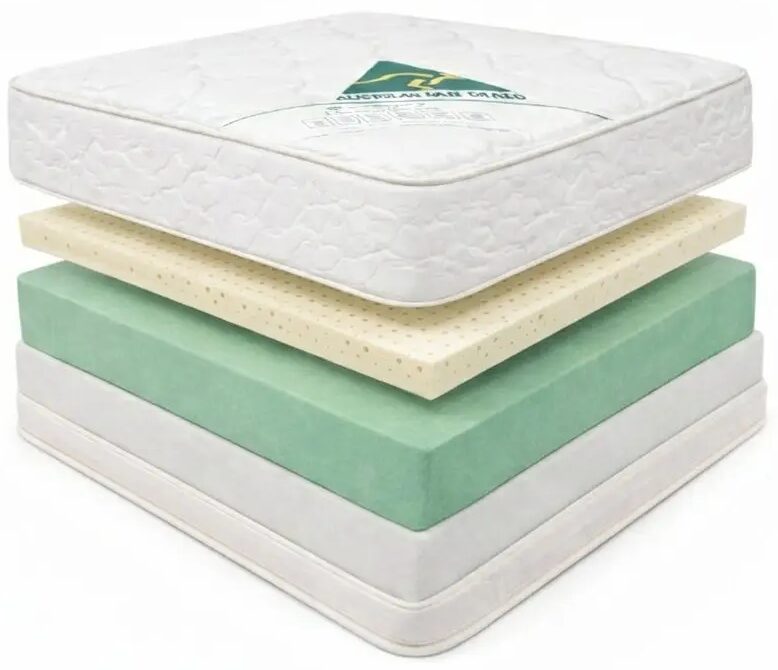
BedGuard makes two bariatric options. The Guardian 150kg uses Bonnell springs inside a high-density foam box, with a reinforced edge wire. The Guardian 300kg has a solid high-density foam core and a 50mm latex comfort layer, with no springs. Both have the same fully integrated bonded waterproof technology as the rest of the range.
When needs overlap
Special needs and bariatric care often go together. Limited mobility, incontinence and higher body weight can all affect the same person. Many families end up choosing between a mattress that supports properly and one that copes with accidents. A bariatric mattress with fully integrated bonded waterproof technology means they don’t have to.
Funding through the NDIS
BedGuard is a NDIS registered provider. Our mattresses are available to agency managed, plan-managed and self-managed participants, and are typically claimed under consumables or assistive technology, depending on the participant’s plan. We can provide a formal quote or a Tax Invoice for your plan manager. It’s worth talking to your support coordinator or occupational therapist about which category suits your plan.
Get the right fit
Every situation is different. Call our team on 1300 880 875 or request an NDIS quote, and we’ll help you find the right mattress for the person you care for.


